Are Myths Encrypted History? Ben Stewart on Consciousness, Creativity and the Technology Shaping Us
What if ancient myths are more than symbolic stories? What if they contain fragments of real history—encoded and preserved across generations?
And what if the technologies changing human behavior today are not separate from us, but extensions of our own consciousness?
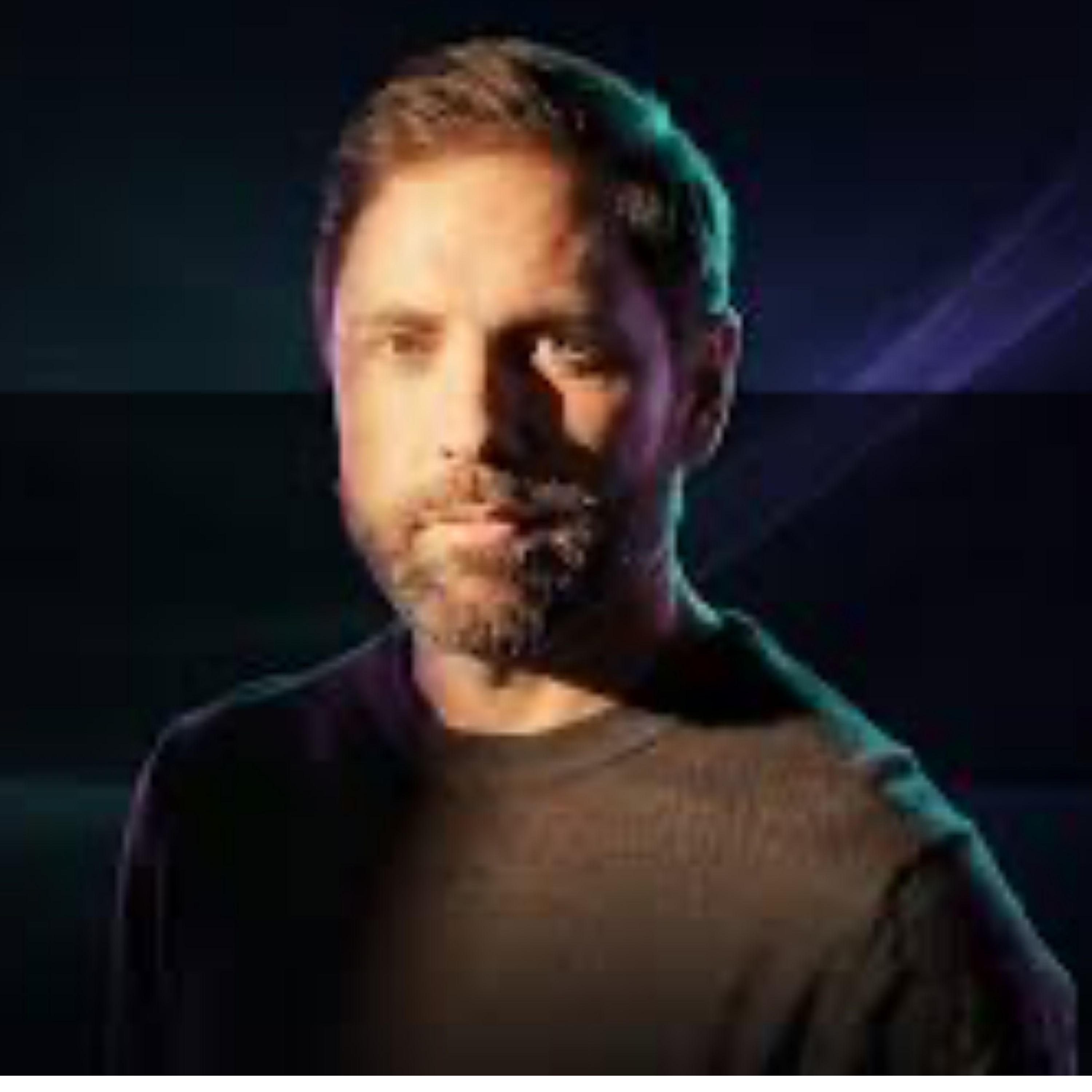
These are some of the questions filmmaker, musician, podcast host and father of four Ben Stewart explores in this episode of The Biohacking Standards. It is a wide-ranging conversation about creativity, hidden history, technology, family and the continuing evolution of human consciousness.
Ben has built his career around ideas that challenge conventional thinking. His films are designed to do more than deliver information. They provoke an emotional response, disrupt familiar assumptions and invite viewers to reconsider what they believe about themselves and the world around them.
In this conversation, Ben reveals the experiences behind that work—and explains why the search for truth must be balanced with the responsibilities of everyday life.
Who Is Ben Stewart?
Ben Stewart is a documentary filmmaker, podcast host and former professional musician whose work explores consciousness, human potential, mythology, history and the forces shaping modern society.
His background in music continues to influence the way he creates films. Rather than beginning with a rigid argument and building a documentary around it, Ben approaches storytelling almost like composing a song. He considers rhythm, emotion, imagery and the internal experience of the audience.
The goal is not simply to tell viewers what to think. It is to create an experience that encourages them to think for themselves.
That distinction matters. Ben’s work does not offer easy answers to complicated questions. It invites curiosity—and asks whether the stories we have inherited about history, human nature and progress are as complete as we have been led to believe.
Are Myths Actually Encrypted History?
One of the most fascinating ideas discussed in the episode is Ben’s belief that myths may function as a form of encrypted history.
Modern culture often treats mythology as fiction: imaginative stories created to explain a world that ancient people did not yet understand. Ben offers another possibility. Some myths may contain memories of real people, places, events and cultural upheavals, preserved through symbolism and oral tradition.
The details may have changed as the stories passed from one generation to another, but their central truths may have survived.
Ben points to lesser-known archaeological discoveries and historical accounts—including stories involving mummified remains discovered in Kentucky—as examples of evidence that can complicate the accepted version of the past.
The larger point is not that every myth should be interpreted literally. It is that dismissing ancient stories as fantasy may cause us to overlook what they were created to preserve.
What did earlier civilizations know? Which parts of human history have been forgotten, misunderstood or excluded from the dominant narrative? And how might rediscovering those stories change the way we understand ourselves?
How Does Technology Affect Human Consciousness?
The conversation then moves from the ancient world to one of the most urgent questions of the present: How is technology changing us?
We usually speak about technology as something external—a collection of devices, platforms and machines that we choose to use. Ben challenges that assumption. Technology can also be understood as an extension of human intention and consciousness.
A smartphone extends communication. A camera extends vision and memory. Social platforms extend our ability to influence and be influenced. Artificial intelligence extends certain forms of thought, pattern recognition and creative production.
But every extension also changes the person using it.
Technology influences what captures our attention, how we communicate, what we value and how we behave. Over time, those individual changes can reshape relationships, communities and entire social systems.
This makes consciousness one of the defining frontiers of human evolution. If we create technology without understanding ourselves, our tools may amplify our fear, distraction and unconscious behavior. If we become more aware of the forces guiding our choices, those same tools may support creativity, connection and human development.
The real question is no longer whether technology is good or bad. It is whether we are conscious enough to understand what it is doing through us.
Can Creativity and Family Life Coexist?
Ben also speaks candidly about a challenge familiar to many creators and entrepreneurs: how to pursue meaningful work while remaining present for the people who matter most.
As a father of four living just south of Nashville, Ben does not create in isolation from ordinary responsibilities. His professional life unfolds alongside the demands of parenting, marriage and family life.
Working from home gives him greater access to his children, but it also removes the clean separation between creative time and family time. The two worlds constantly overlap.
Rather than treating parenthood as an obstacle to creativity, Ben describes how it gives his work greater depth. Raising children changes the way a person thinks about time, responsibility, culture and the future. It raises the stakes of the questions he explores in his films.
What kind of world are we creating? Which beliefs are we passing down? Are we teaching the next generation to repeat established narratives or to examine them thoughtfully?
For Ben, creative ambition and fatherhood are not competing identities. Each influences the other.
Why Art Can Change the Way We Think
Before becoming a filmmaker, Ben worked as a professional musician. That experience taught him something that continues to shape his documentaries: information alone rarely transforms people.
Facts matter, but facts do not always reach the deeper levels where beliefs are formed. Music, film and storytelling can reach those places because they engage emotion, imagination and intuition as well as intellect.
Ben therefore does not see art as decoration surrounding an idea. The art is part of the idea.
A well-constructed film can make an audience feel the limitations of an old belief before the conscious mind is ready to release it. It can create enough uncertainty for a new possibility to emerge.
That does not mean manipulating people into adopting another predetermined conclusion. At its best, transformational art restores independent thought. It gives people permission to question, explore and arrive at their own understanding.
What Can We Learn From Ben Stewart’s Journey?
Several themes emerge from this conversation:
-
Myths may preserve fragments of history and cultural memory that deserve closer examination.
-
Technology is not separate from humanity; it reflects and amplifies human consciousness.
-
Creative work becomes more meaningful when it is grounded in real relationships and responsibilities.
-
Art can reach people in ways that facts and arguments alone often cannot.
-
Questioning an accepted narrative does not require immediately replacing it with another one.
-
The evolution of consciousness begins with greater awareness of the forces shaping our thoughts and behavior.
Ben Stewart’s work occupies a compelling space between art, philosophy, history and self-exploration. He is willing to follow difficult questions without pretending that every question has a simple answer.
That is what makes this conversation so valuable.
It is not merely an exploration of filmmaking, mythology or technology. It is an invitation to examine the stories guiding your life, the tools influencing your behavior and the future you are helping to create.
Listen to the full episode of The Biohacking Standards with Ben Stewart for a provocative conversation about creativity, ancient history, family, technology and the ongoing evolution of human consciousness.
What Near-Death Experiences Reveal About Consciousness, Memory, and Healing