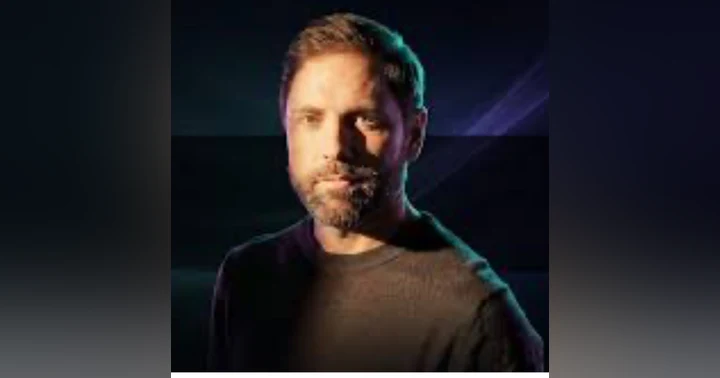
The Journey Beyond: What Happens After We Die per NDE Survivor John J. Davis

What happens when we die? It may be one of humanity’s oldest questions, yet for most of us the answer remains a matter of faith, philosophy, or personal belief. John J. Davis approaches it from a very different place. He says he experienced the afterlife firsthand.
In this episode of The Biohacking Standards, John recounts the near-death experience that changed the direction of his life. His story includes an unusual arrival in what he calls the Orientation Center, a life review that allowed him to feel the effects of his actions on other people, encounters connected to past lives, and a joyful reunion of souls. Whether you approach near-death experiences with faith, curiosity, or skepticism, his account raises questions that are difficult to dismiss and even harder to forget.
What Happened to John J. Davis?
John’s story begins in 1987, when he was 21 years old. After winning a sales contest, he received a moped as a gift from his father. The gift soon became part of a life-changing sequence of events: John was seriously injured in an accident and required surgery. During the procedure, he says, he suffered an unexpected allergic reaction to the anesthesia. His heart stopped.
What followed was not the tunnel, brilliant light, or out-of-body view of an operating room that many people associate with near-death experiences. John describes finding himself somewhere entirely different—a place that felt organized, purposeful, and immediately real.
Entering the Orientation Center
John calls this place the Orientation Center. He remembers a magnificent building with marble columns and tables, along with a sense that the setting had a clear function. There he met a spirit guide named Alan, who began explaining where John was and what happened in this realm.
According to John, the Orientation Center is where souls arrive after completing an earthly life. It gives them a way to understand the transition, absorb what they have experienced, and prepare to reconnect with loved ones. In John’s telling, the afterlife was not confusing or chaotic. It was structured around understanding, learning, and reunion.
The Life Review: Feeling the Impact of a Life
One of the most powerful parts of John’s experience was his life review. He describes entering a circular, theater-like space where multiple screens displayed meaningful moments from his life. He did more than watch those memories. He relived them from a broader point of view and felt what other people had felt because of his words and actions.
That included the happiness of people he had helped and the pain of people he had hurt, even when the harm was unintended. Alan explained that the review was not simply a judgment. Its purpose was learning. John came away believing that compassion matters because our actions travel farther than we realize, often leaving an emotional imprint we never see during ordinary life.
Past Lives and the Idea of an Eternal Soul
John also says he was shown three previous lives. Each contained experiences and lessons that contributed to the development of his soul. This was especially challenging for him because he had grown up Catholic and had been taught to understand human existence as one earthly lifetime.
In his account, Alan told him that souls are eternal and that they may choose to return to Earth or continue learning in other realms. John does not describe reincarnation as punishment or a rigid cycle. He presents it as choice: another opportunity for experience, growth, and greater understanding.
The Reunion: A Celebration of a Life Completed
As the experience continued, John witnessed what he calls the reunion. In a beautiful garden, souls welcomed one another and celebrated the completion of an earthly journey. Alan told him that a life on Earth is difficult and that every return deserves recognition.
This scene is one of the most hopeful parts of John’s story. Death, as he experienced it, was not an ending marked by isolation. It was a homecoming—an acknowledgment that every life matters, every journey requires courage, and the bonds between souls continue beyond physical existence.
Why John’s Story Matters
Near-death experiences sit at the intersection of spirituality, consciousness, psychology, and the enduring mystery of what happens when the body dies. People interpret them in different ways. For John, however, the experience was neither a dream nor a metaphor. It became a defining event that changed how he understood life and what he believed came afterward.
His message is especially meaningful for people who fear death or are grieving someone they love. The picture he offers is one of continuity rather than disappearance. Love, connection, and learning remain central. Just as important, his life review places the focus back on the present: how we treat people now, the compassion we show, and the emotional effects of choices that may seem small in the moment.
Key Takeaways from the Conversation
· Life may continue beyond the physical body. John’s account describes an afterlife shaped by understanding, love, and connection.
· Compassion has consequences. His life review impressed upon him that people can eventually experience the emotional impact of what they gave to others.
· Growth may extend beyond one lifetime. The past lives John says he witnessed led him to see the soul as eternal and learning as an ongoing process.
· Death need not be viewed only through fear. The Orientation Center and reunion offered John a picture of death as transition and homecoming.
· The way we live now still matters most. Whatever listeners believe about the afterlife, John’s experience makes a direct case for kindness, awareness, and a more intentional life.
A Story That Changes the Question
John J. Davis’s near-death experience does not ask listeners to accept every detail without question. It invites them to consider a possibility: What if consciousness continues, our connections endure, and the way we affect other people carries more weight than we know?
For John, those are no longer abstract ideas. They are the lessons he brought back from an experience that has stayed with him since 1987. His story offers comfort, but it also carries a challenge. If love and compassion are what remain, then the most meaningful response is to practice them while we are here.
Listen to the full episode of The Biohacking Standards to hear John J. Davis describe his near-death experience, the Orientation Center, his life review, past lives, spirit guide, and what he believes awaits us after death.
What Near-Death Experiences Reveal About Consciousness, Memory, and Healing